
The Millennial Homeownership Surge Is Reshaping Home Improvement Across the U.S.
by Talmage Call | May 21, 2026
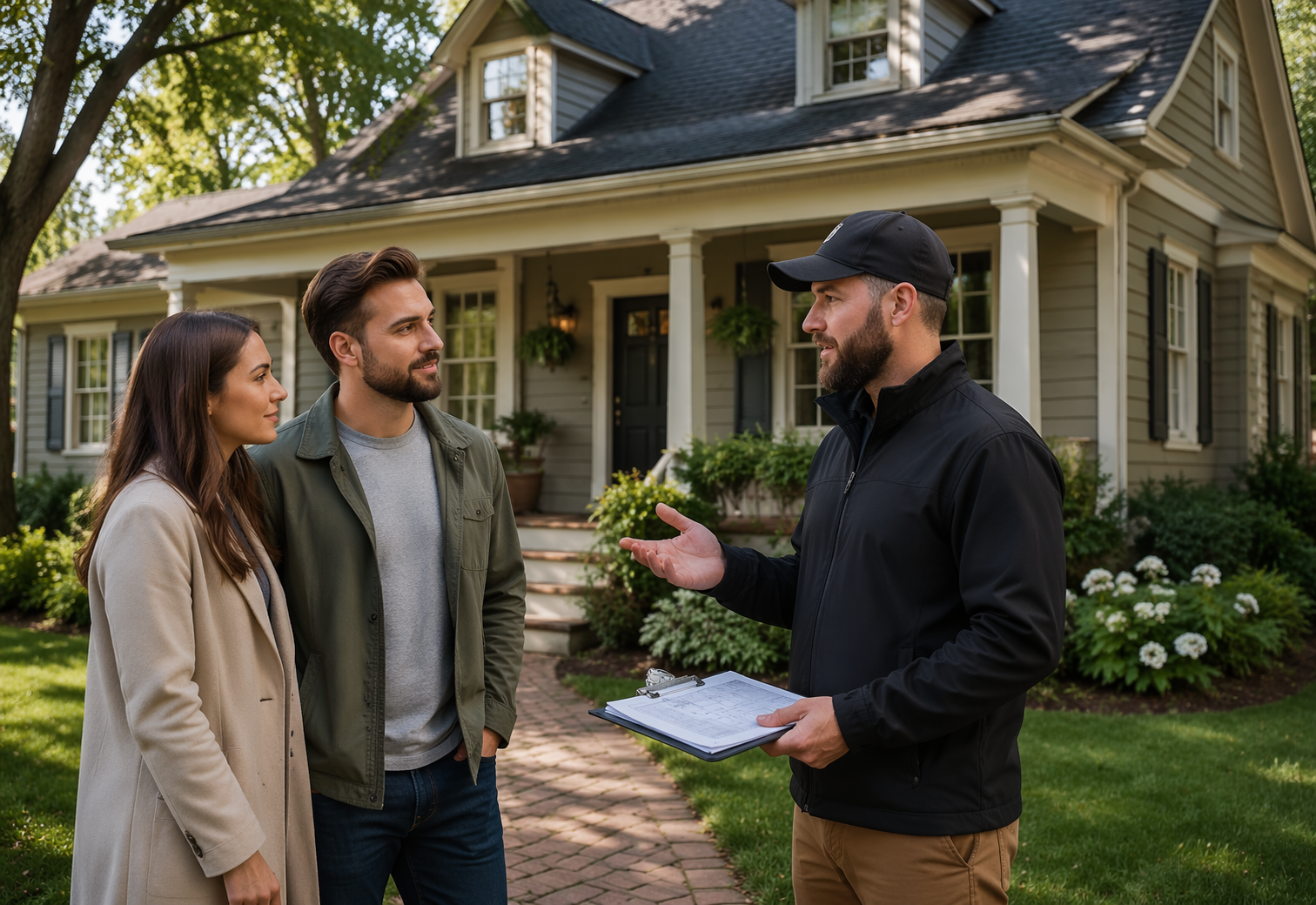
Millennials are now the driving force behind the U.S. housing market—and in turn, they are reshaping the home improvement industry in ways contractors cannot afford to ignore.
As the largest generational cohort in the country, millennials have transitioned from renters to homeowners at scale over the last decade. Despite affordability challenges, limited inventory, and rising mortgage rates, they now represent a significant share of homebuyers and are steadily expanding their influence on remodeling demand, design preferences, and project timelines.
But the real opportunity for contractors isn’t just that millennials are buying homes—it’s how they are buying them. They’re not waiting for perfect homes. They’re buying what’s available and transforming it into something better.
That shift is fueling one of the most durable remodeling tailwinds the industry has seen in years.
Why Millennials Are Driving Renovation Demand: A Generation Entering Peak Homeownership
Millennials are now firmly in their prime home-buying years, typically between their late 20s and early 40s. This life stage is defined by major transitions:
- First-time home purchases
- Growing families
- Career stability and income growth
- Long-term housing decisions
Unlike previous generations, however, millennials are entering a housing market that looks fundamentally different.
Inventory is tight. Prices remain elevated. Mortgage rates are more volatile. The result is that many buyers no longer have the luxury of waiting for a home that perfectly aligns with their needs. Instead, they are adapting.
The “Buy Now, Remodel Later” Mindset
The defining Millennial housing trend today can be summarized simply:
Buy the home you can get. Remodel it into the home you want.
This shift is supported by broader housing dynamics. High costs and limited supply are encouraging homeowners across the U.S. to improve their current homes instead of moving.
For millennials specifically, that often means:
- Purchasing older homes with outdated layouts
- Accepting homes that require immediate or near-term updates
- Planning renovations as part of the purchase decision
For contractors, this creates a powerful and consistent lead source: Home purchases are increasingly tied directly to remodeling projects.
The Types of Homes Millennials Are Buying—and Why It Matters
Millennials are disproportionately purchasing:
- Older homes with deferred maintenance
- Starter homes that lack space or functionality
- Homes with outdated design (closed layouts, smaller kitchens, limited storage)
These structural constraints create immediate remodeling opportunities. Unlike previous generations that may have bought newer homes, millennials are inheriting an aging housing stock—and investing in modernizing it.
That means more demand for:
- Layout reconfiguration
- System upgrades
- Functional enhancements
- Cosmetic modernization
Every one of those categories flows directly into contractor pipelines.
What Millennial Remodeling Projects Actually Look Like
Millennial homeowners approach remodeling with a different mindset than previous generations. Their projects are driven by how they live, not just how a home looks. Their decisions prioritize flexibility, efficiency, and personalization.
Here’s some examples of how this shows up in real project demand:
Kitchen and Living Space Transformations
Kitchens are no longer isolated rooms—they are the center of the home.
Millennials are consistently investing in:
- Open-concept layouts
- Work at home conversions
- Efficiency improvements
- Integrated living and dining spaces
These projects often require structural changes, making them higher-value opportunities for contractors.
Home Office and Hybrid Work Conversions
Remote and hybrid work have permanently changed home design priorities.
Millennials are converting the following into functional workspaces:
- Spare bedrooms
- Basements
- Lofts
- Dining rooms
This trend isn’t temporary. It reflects long-term shifts in how people use their homes.
Energy Efficiency and System Upgrades
Millennials place a strong emphasis on long-term cost savings and sustainability.
That translates into increased demand for:
- New HVAC systems
- Roofing
- Windows and doors
Outdoor Living Expansion
Outdoor space has become an extension of the home. These types of projects are increasingly being viewed as essential—not optional upgrades.
Millennials are investing in:
- Decks and patios
- Sunrooms
- Functional backyard layouts
All of these upgrades are seeing measurable growth in renovation activity. For contractors, these projects often open the door to additional interior or exterior work.
The Financial Reality: Why Millennials Still Remodel
At first glance, millennials appear to be more cost-conscious than previous generations—and they are. But that does not mean they are not spending.
In fact, remodeling activity remains strong across the country, supported by homeowners who have both the motivation and the financial means to invest in their homes.
The difference is how millennials approach projects:
- They prioritize projects with clear ROI
- They often phase renovations over time
- They are more open to financing options
- They focus on functionality before aesthetics
This creates a different—but still highly valuable—customer profile.
Why Millennial Projects Create Long-Term Customer Value
One of the biggest opportunities for contractors isn’t a single project—it’s the lifecycle.
Millennials rarely complete everything at once. Instead, they follow a progression:
Phase 1
Move-in updates (paint, flooring, minor fixes)
Phase 2
Functional upgrades (bathrooms, kitchens, storage)
Phase 3
Expansion or major remodel (basements, additions, layout changes)
This staggered approach creates repeat business over a multi-year period. A millennial homeowner today is not just one job.
They are potentially:
- 3–5 projects over time
- Referral-driven business
- Long-term client relationships
The Structural Shift Contractors Need to Understand
The millennial-driven remodeling wave is not cyclical—it is structural. Several forces are reinforcing it simultaneously:
- A large generation entering homeownership
- A housing shortage limiting mobility
- Aging housing stock requiring upgrades
- Lifestyle changes (remote work, hybrid living)
- Increased willingness to invest in existing homes
Together, these forces are redefining where and how demand shows up. And importantly, they are making remodeling less dependent on home sales cycles.
The Bottom Line for Your Business
Millennials are not just participating in the housing market. They are actively transforming it.
Millennials are:
- Buying homes in large numbers
- Purchasing homes that require improvement
- Investing in renovations over time
- Prioritizing functionality, flexibility, and efficiency
For contractors, this represents a long-term, stable demand engine.
The millennial customer is different—but highly valuable:
- More informed
- More intentional
- Focused on long-term outcomes
- Willing to invest when there is clear value
They are not looking for the cheapest option. They are looking for the right partner.
A contractor who understands how millennials buy, think, and renovate is not just competing for one job. They are positioning themselves to win an entire pipeline of future work.


